
Pigmentation and Melasma
Dark patches, uneven tone and stubborn pigmentation can be addressed with depigmenting peels that target excess melanin over a planned series of sessions.
Chemical Peel Treatments · Karur
Doctor-led chemical peel treatments at Skin Trust Hospital for pigmentation, acne, dullness and early signs of ageing. Every peel is selected after a skin assessment by Dr. Kavitha.
What Is a Chemical Peel?
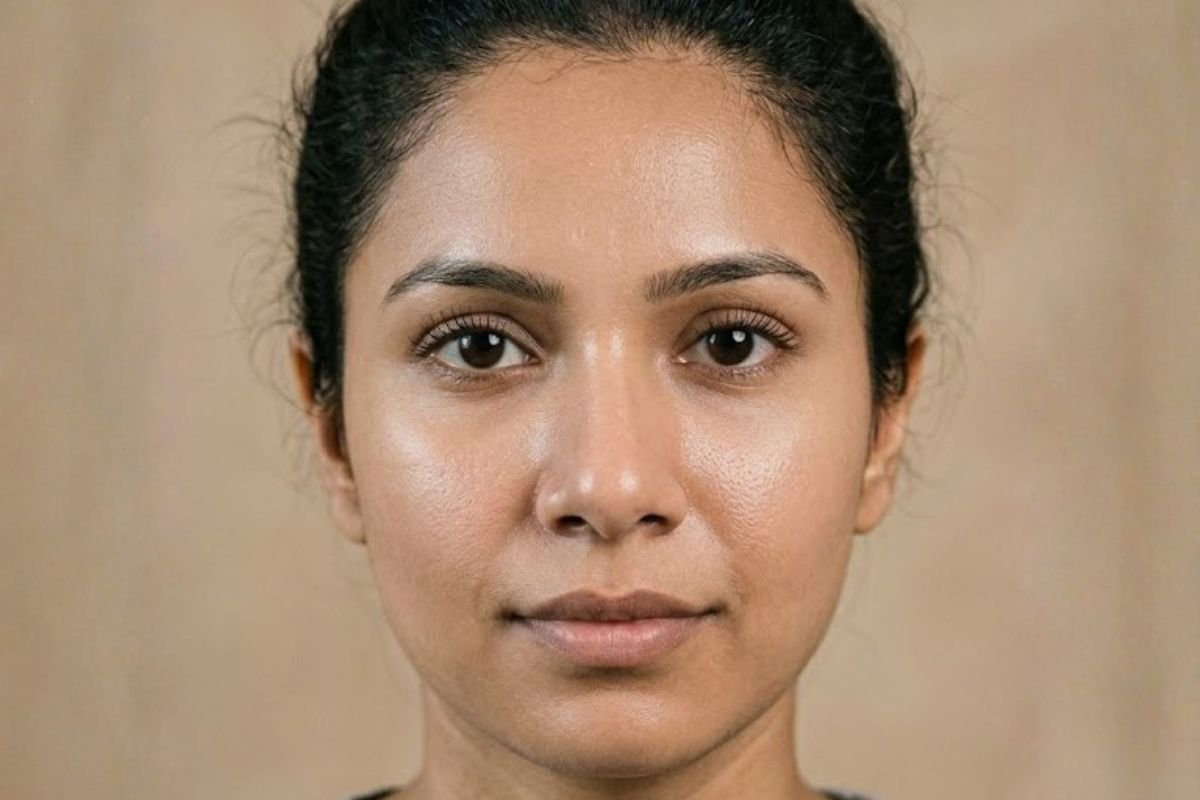
A chemical peel is a dermatological treatment where a carefully selected solution of acids is applied to the skin for a controlled period. It helps remove dull, damaged surface layers and encourages the skin to renew itself.
Peels are not one-size-fits-all. The type of acid, its strength and how long it stays on the skin all depend on your skin type, your concern and how your skin responds. That is why at Skin Trust, a chemical peel always begins with a consultation, never with a product.
Concerns We Treat
Dark patches, uneven tone and stubborn pigmentation can be addressed with depigmenting peels that target excess melanin over a planned series of sessions.
Peels with salicylic and azelaic acid help clear clogged pores, control oil and calm active breakouts.
Regular sessions can help soften post-acne marks and smoothen rough, uneven skin.
Gentle resurfacing peels lift away dead skin cells for a fresher, brighter-looking complexion.
Retinol and glycolic-based peels can help with fine lines, loss of radiance and sun damage.
Specialised periocular peels are formulated for the delicate skin around the eyes.
Peels can help restore a more even tone to skin affected by regular sun exposure.
The Peels We Use
At Skin Trust, we use professional peel systems from mesoestetic, a pharmaceutical skincare laboratory from Spain, known worldwide for its dermatology-focused peels and pigmentation treatments.
Along with these, we also use other professional-grade peels from internationally recognised brands, chosen case by case for your skin.
Why Skin Trust
Every peel is planned and supervised under Dr. Kavitha’s guidance. No salon-style shortcuts.
Indian skin tones need careful peel selection to avoid irritation or post-peel darkening. Your treatment is matched to your skin type and sensitivity.
We use medical-grade peels that are meant only for clinical use, sourced through authorised channels.
We map out the number of sessions, the gap between them and your home-care routine so results are built safely over time.
Your lifestyle, sun exposure, existing skincare and medical history are all considered before we recommend a peel.
The Process
Dr. Kavitha examines your skin, understands your concern and checks if a peel is right for you.
In some cases, you may be advised a short pre-peel skincare routine to prepare your skin and reduce the risk of side effects.
Your skin is cleansed, the peel is applied for a controlled time and then neutralised or removed. Most sessions take about 20 to 45 minutes.
You’ll receive clear aftercare instructions, including sun protection and products to use at home.
Most concerns need a series of sessions spaced a few weeks apart. Your plan will be customised.
What to Expect
Depending on the type of peel, you may notice mild redness, tightness, dryness or light flaking for a few days. Some peels have little to no visible downtime, while stronger peels may need a few days of recovery. Dr. Kavitha will explain what to expect for your specific treatment before you begin.
Results vary from person to person and depend on your skin type, concern and how closely aftercare is followed.
FAQ
Yes, when chosen and performed by a qualified dermatologist. Peel selection, strength and preparation matter a lot for darker skin tones, which is why every treatment at Skin Trust starts with a consultation.
Most people feel a mild tingling or warm sensation during the peel. It is usually well tolerated and lasts only a few minutes.
This depends on your concern. Mild dullness may improve in a few sessions, while pigmentation or acne marks usually need a planned series. Your doctor will guide you.
Not always. Many superficial peels cause only light flaking or none at all. Deeper peels may cause more visible peeling for a few days.
With most superficial peels, yes. For stronger peels, you may be advised to plan a few days of downtime.
Peels may not be suitable during pregnancy or breastfeeding, with active skin infections, or with certain medications. Please share your full medical history during consultation.
Avoid direct sun, use sunscreen regularly, avoid scrubbing or picking at the skin and follow the products recommended by your doctor.
Professional medical-grade peels should be done under a dermatologist’s supervision. Incorrect peel selection or application can lead to burns or pigmentation.
Ready to Begin
Book a consultation with Dr. Kavitha at Skin Trust Hospital, Karur. We’ll assess your skin and recommend a treatment plan that suits you.
No: 28, Chairman Ramanujan Street, opp. to Kamtchiamman Temple, Karur, Tamil Nadu 639001
Treatment suitability and results vary from person to person. A consultation is required before any procedure.